Last updated by Ardmore Plumbers
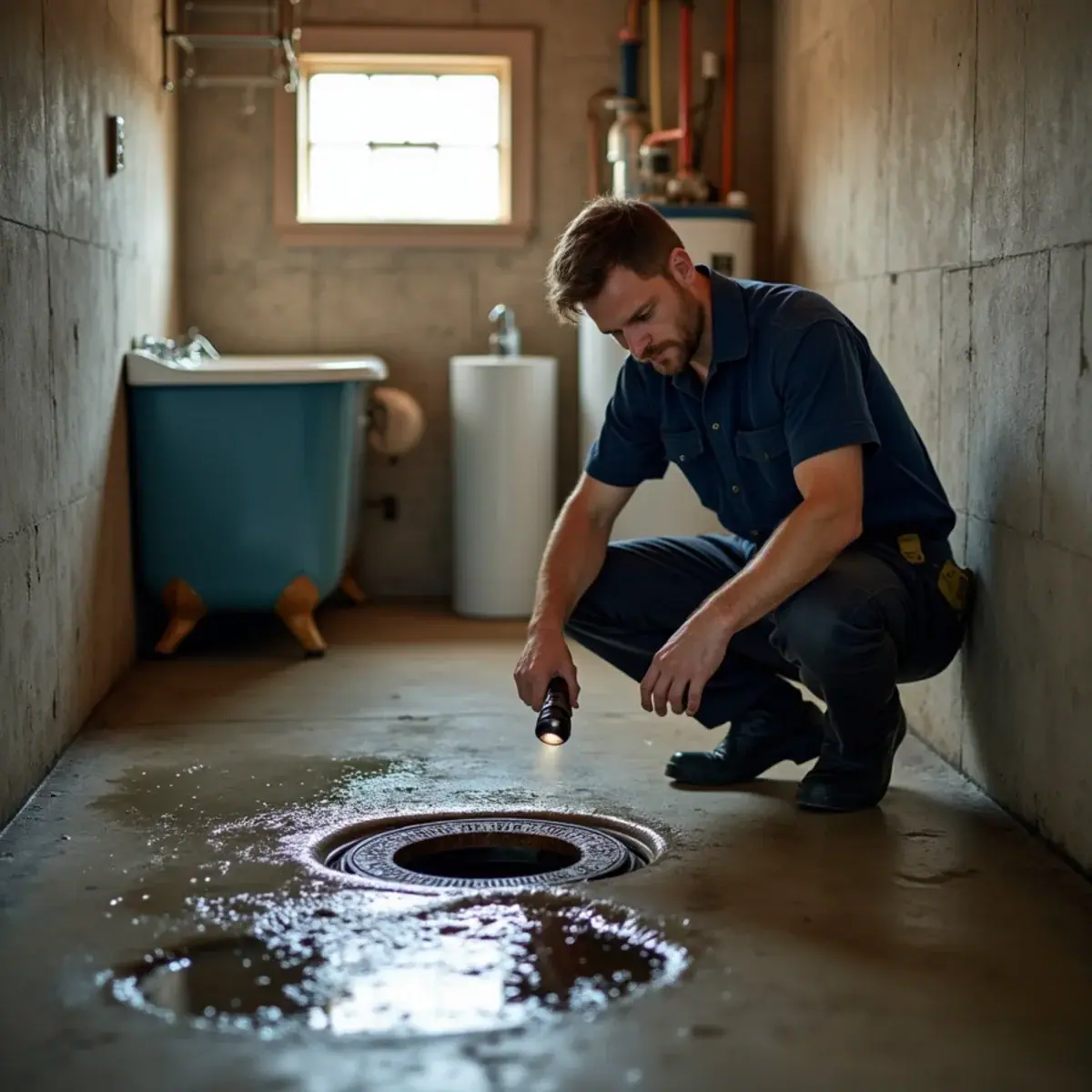
If your sump pump has stopped, is stuck on or hums without moving water, call (858) 363-8298. We answer around the clock and send the nearest available licensed plumber, because in a Villa Park storm a full pit can spill onto the basement floor long before the rain stops.
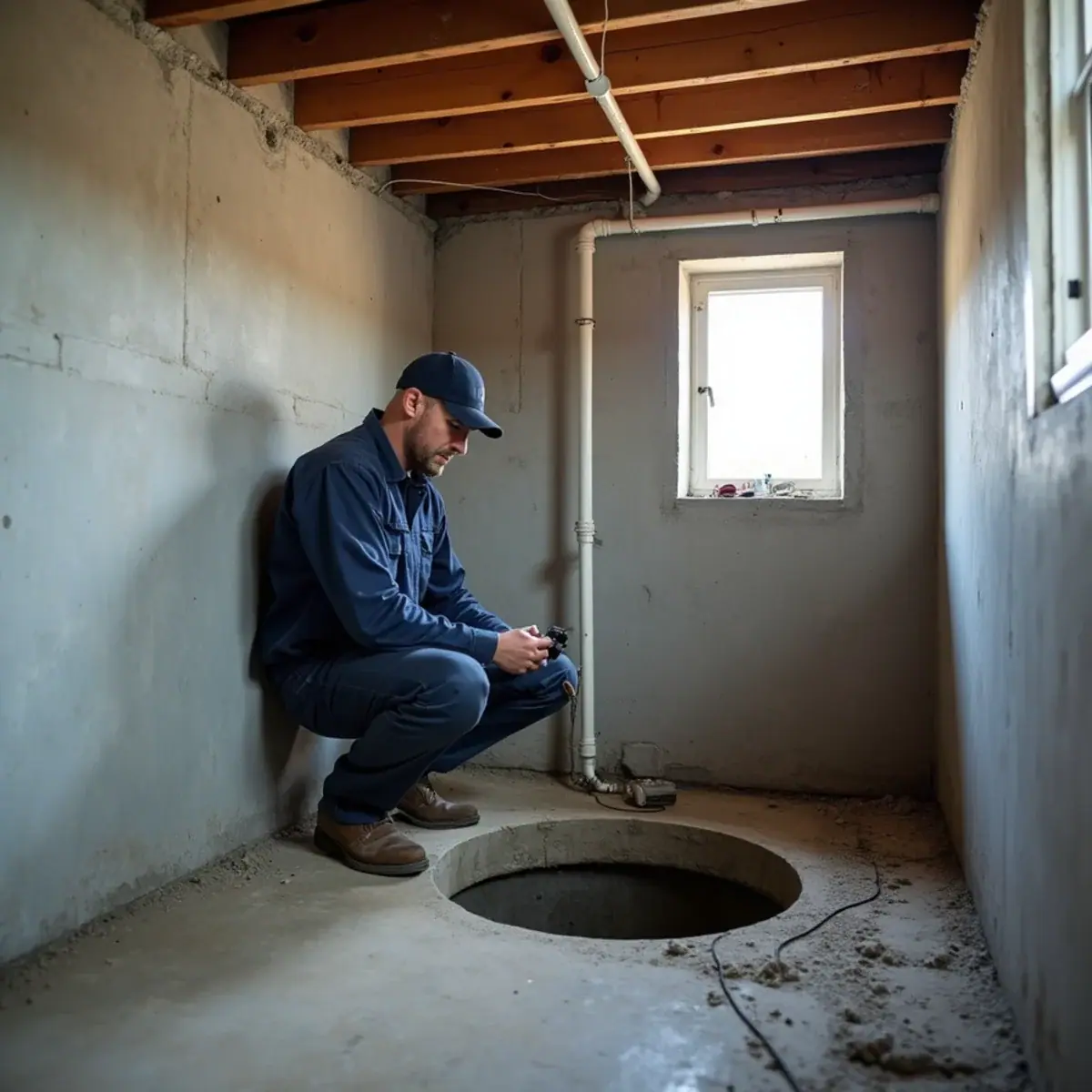
Nearly every house in the village has a basement, and most have a sump pit collecting water from the drain tile around the foundation. The plumber checks the pump, switch, check valve and discharge line, tells you whether a repair makes sense and gives you the price before work starts. Every plumber we send is licensed and insured in Illinois.
Signs your sump pump is about to fail
- The pump runs but the water level in the pit does not drop.
- It cycles on and off every minute or two in dry weather.
- Grinding, rattling or a hum with no water moving, which points to a failing motor or jammed impeller.
- Rust, a burnt smell, or a pump that has been in the pit for most of a decade.
- The discharge pipe outside is frozen, crushed or buried.
Test it before storm season: pour a bucket of water into the pit and watch the pump start, empty the pit and shut off cleanly. If it does not, have it looked at while the weather is dry. Then check that the discharge outlet outside is clear of snow, ice and mulch and drains away from the foundation, and test any battery backup.
What to tell us when you call about a sump pump
- Is water rising in the pit now, or already on the floor?
- Is the pump silent, humming, running nonstop or cycling?
- Is the power out, or has a breaker or GFCI tripped? Is water near the outlet or panel?
- How old is the pump, and is there a backup in the pit?
- Where does the discharge exit: the yard, a buried line, or the laundry tub or floor drain?
A pit overflowing during a storm is an emergency plumbing call.
Sump pump repair: float switches, check valves and frozen discharge lines
When a sump pump is not working, the motor is not always the problem.
One symptom can have several causes, so the plumber tests before naming one.
| What you see | Common causes | What to do now | What the plumber checks |
|---|---|---|---|
| Runs, but the water level does not drop | Blocked or frozen discharge, failed check valve, worn impeller, undersized pump | Call; do not reach into the pit while it is plugged in | Discharge line, check valve, pump output against inflow |
| Silent while water rises | Power outage, tripped breaker or GFCI, stuck float, dead motor or controller | Check the breaker only if the floor is dry; otherwise stay back and call | Power at the outlet, float, motor, backup pump |
| Pit dry, basement wet | Water not reaching the drain tile: wall cracks, window wells, downspouts, grading, clogged footing tile; or sewer water from the floor drain | Note where water appears; if it smells of sewage, see our sewer backup steps | Where water enters; a drainage evaluation, or basement flood control for floor drain backups |
Float switches
Tethered floats swing on a cord and can hang up on the pit wall or the pump. Vertical floats ride a rod and stick when sediment builds up. If the pump itself is sound, a stuck or dead switch can often be replaced on its own.
Check valves
The check valve on the discharge pipe stops pumped water from falling back into the pit. When it fails, the pump moves the same water over and over, short-cycles and wears out early. A pump that restarts moments after shutting off often has a bad check valve.
Frozen discharge lines
In a Villa Park January the discharge line outside can freeze solid, especially where it lies on the ground or runs into a buried pipe without enough slope. The pump runs against the ice until it burns out or trips the breaker. The plumber thaws the line and can add a freeze-relief fitting by the house so water spills out onto the ground if the pipe downstream freezes again.
Keep water and electricity apart
If the pit has overflowed and water is standing near the pump outlet or the electrical panel, do not wade in to unplug anything. Wait for the plumber, and have an electrician check any outlet that got wet. A sump pump belongs on a GFCI-protected outlet, not an extension cord.
Sump pump replacement: matching the pump to the pit and the water it sees
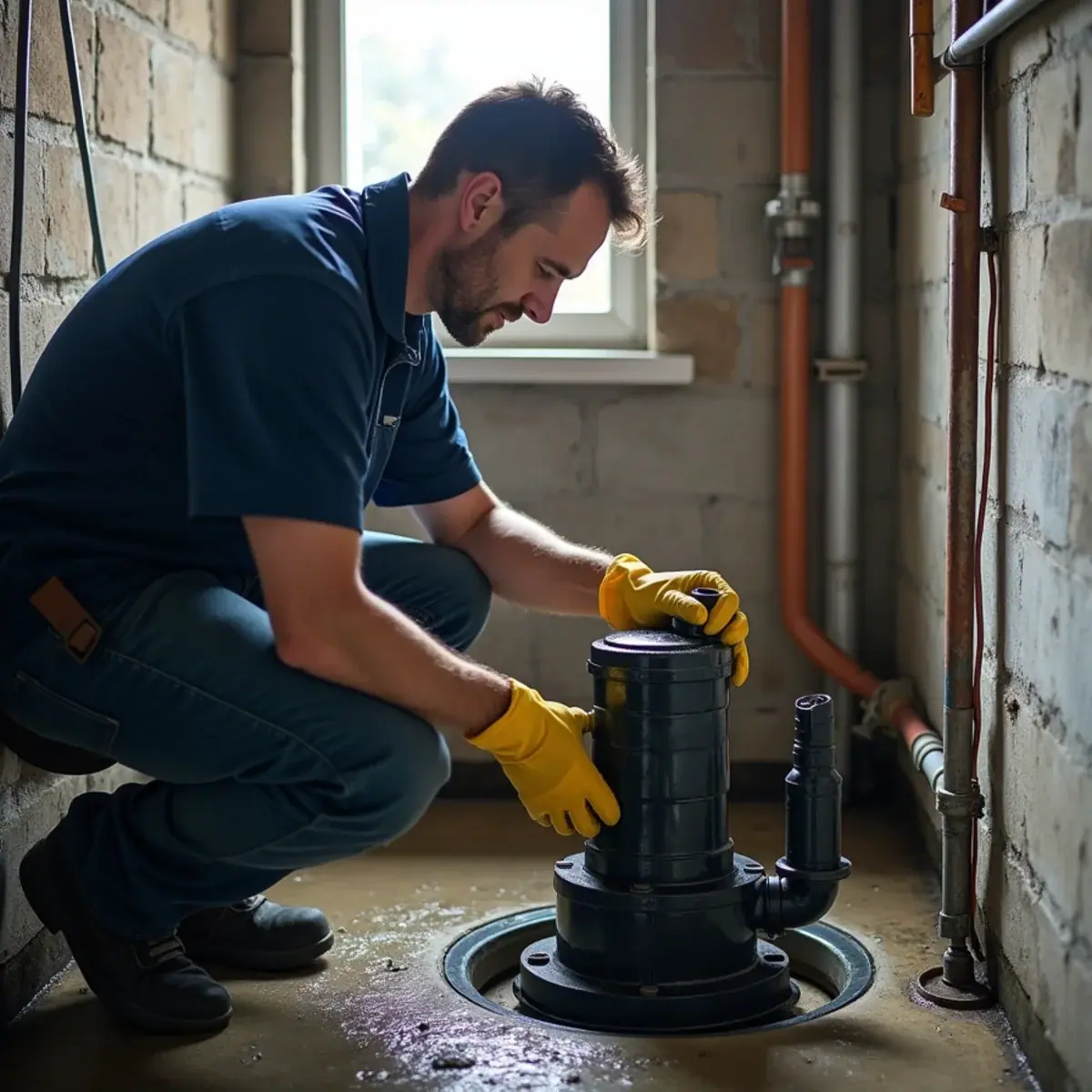
A sump pump replacement is more than swapping in the same box from the store. The plumber looks at the pit size, how quickly water rises in a storm, how high and how far the water has to be pushed, and how often the pump runs in a wet spring. An undersized pump runs constantly; an oversized one can short-cycle in a small pit.
Houses on lower ground toward Salt Creek or Sugar Creek can refill a pit within a minute in a wet April, but your own pit in a storm is the real guide to the capacity needed.
Repair or replace comes down to age and what failed. A stuck float or bad check valve on a young pump is worth repairing; an aging pump with a hot, noisy or breaker-tripping motor is usually better replaced before the next big storm.
| Pump type | Where it fits | Strengths | Trade-offs |
|---|---|---|---|
| Submersible, cast iron | Standard pits with a sealed lid | Quiet, cooled by the water, long service life | Heavier, higher up-front cost |
| Submersible, thermoplastic | Pits that fill only occasionally | Lighter, lower cost | Shorter life under heavy use |
| Pedestal | Narrow or shallow older pits | Motor stays dry above the pit, easy to service | Louder, takes floor space |
| Battery backup | Beside the main pump in the same pit | Runs during power outages | Limited run time, battery needs replacing |
| Water-powered backup | Homes with good village water pressure | No battery to wear out | Uses city water, needs a backflow preventer |
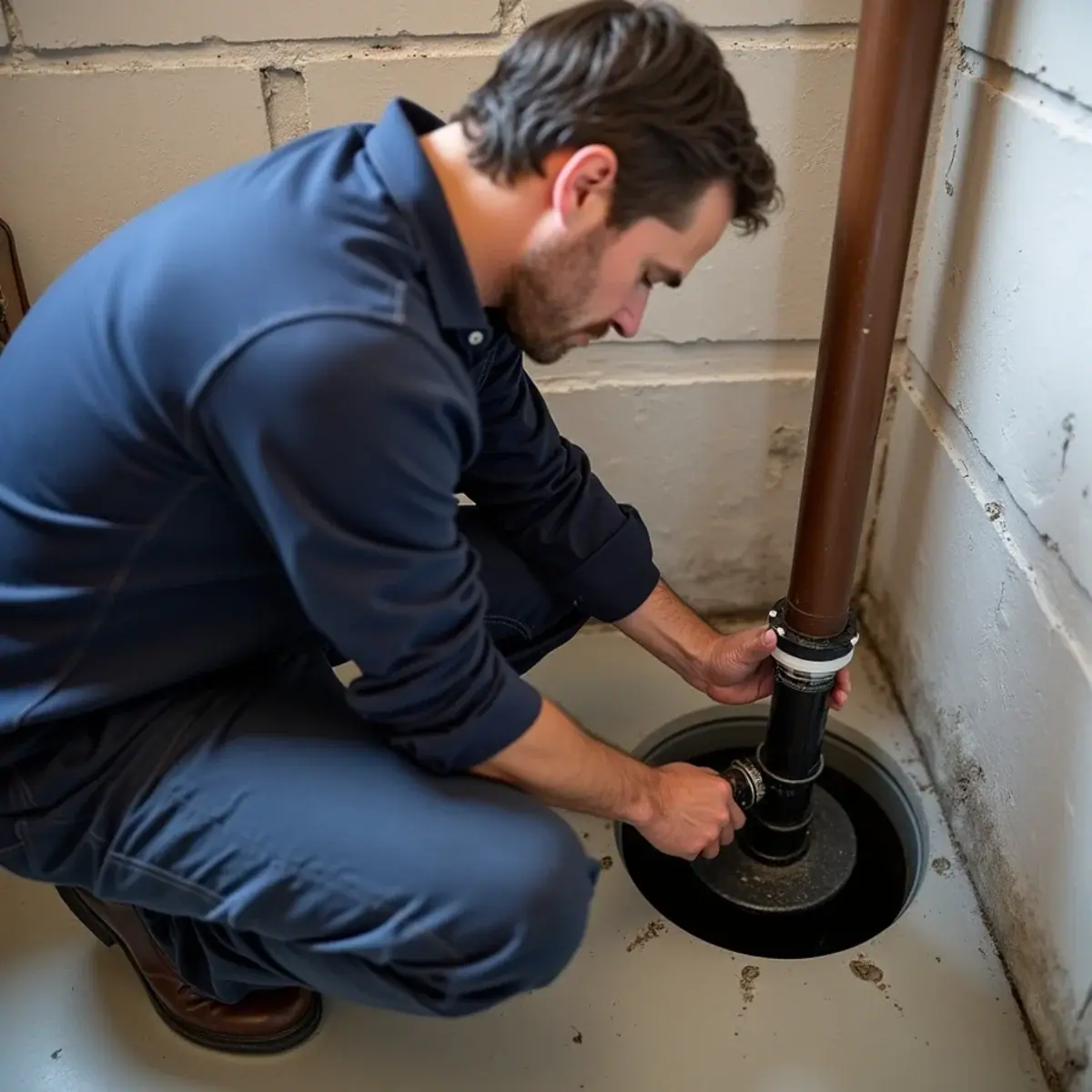
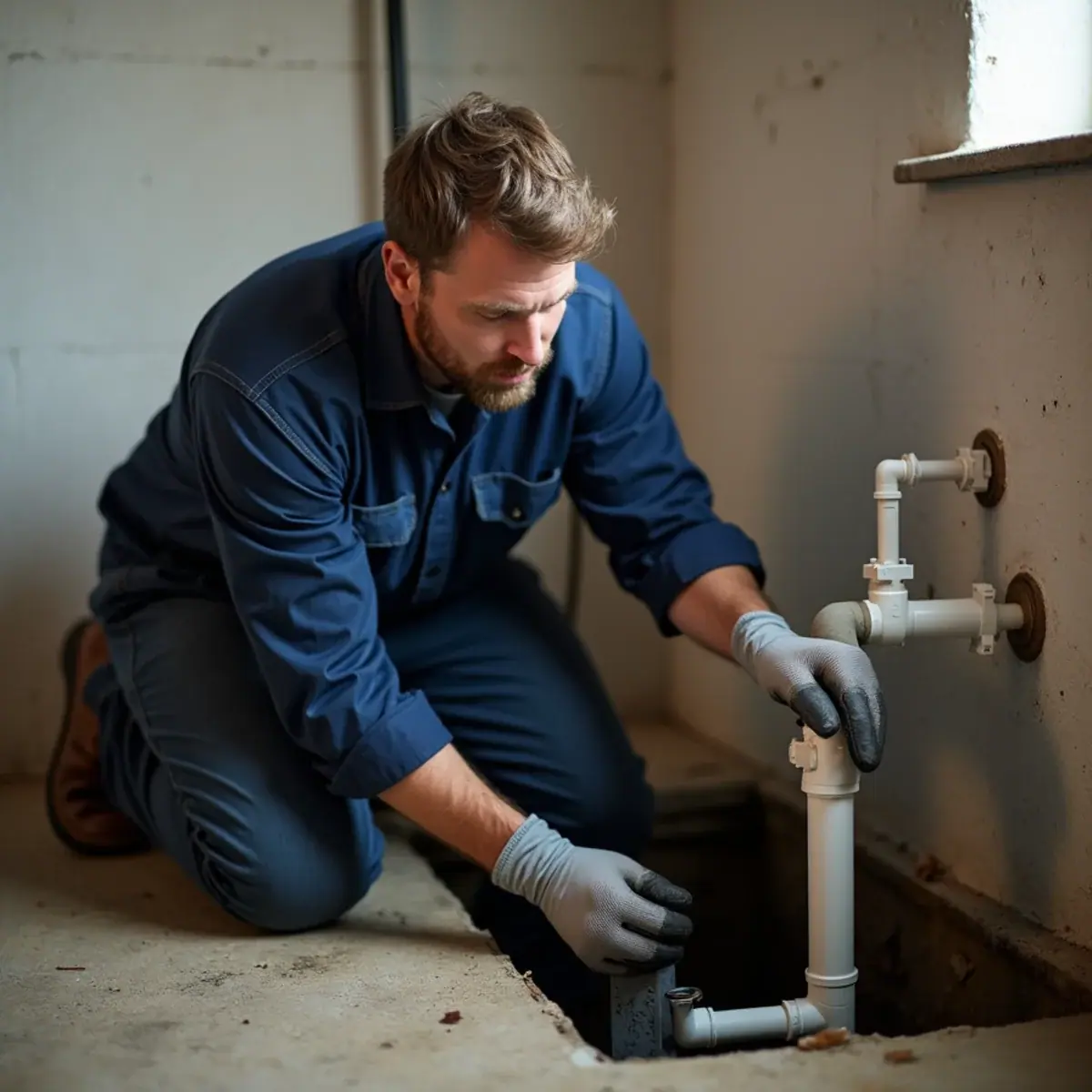
During a sump pump installation or replacement the plumber also checks the pit liner, the discharge pipe size and where the water lets out.
Battery and water-powered backups for storm power outages
The storms that fill sump pits in Villa Park are the same ones that knock out power. A battery backup sump pump sits in the pit beside the main pump with its own float and runs from a deep-cycle battery when the power fails or the main pump quits. Run time depends on the battery and how often the pump cycles, so a long outage can outlast it.
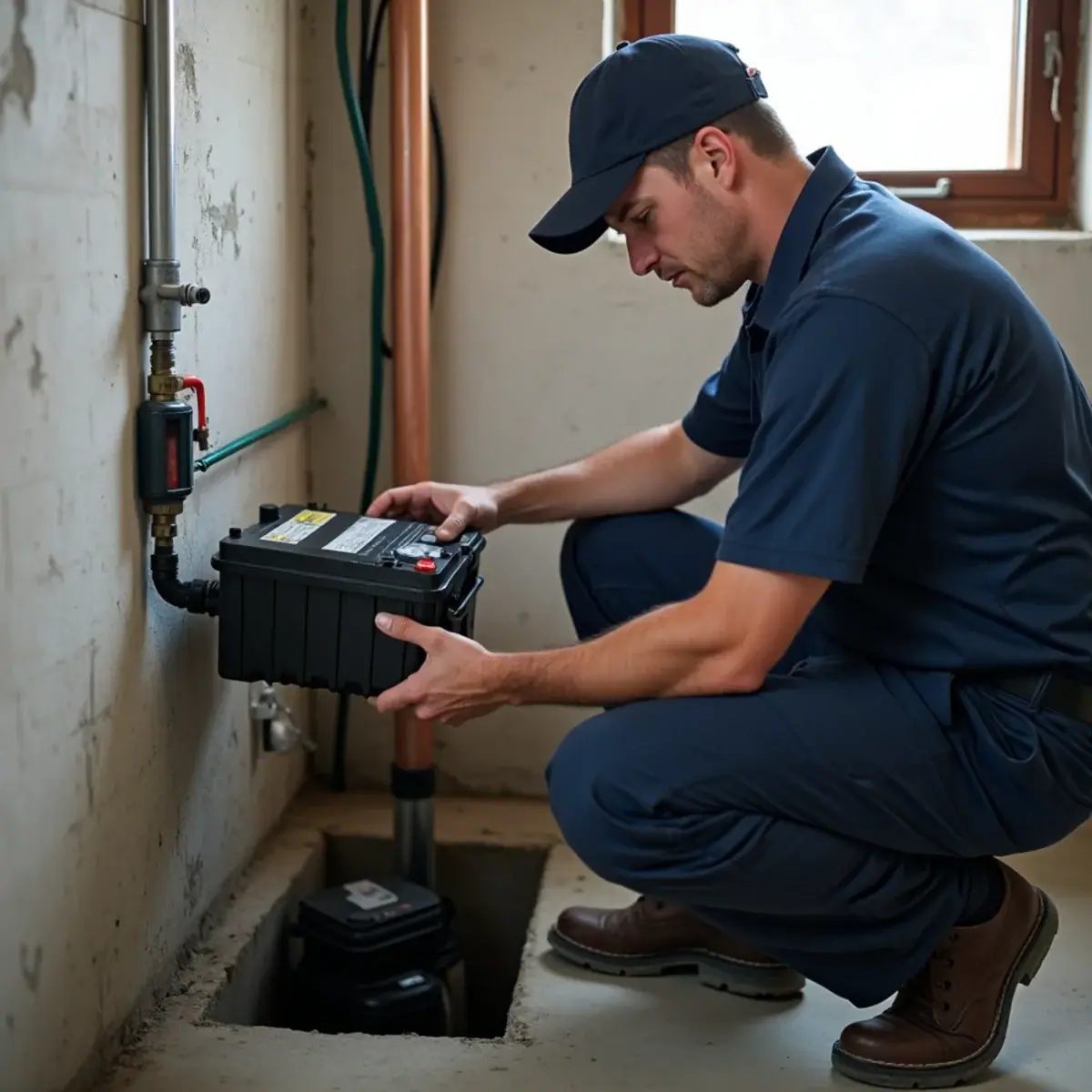
A water-powered backup uses village water pressure to draw water out of the pit, with no battery to wear out. It needs good pressure and a backflow preventer, and it uses a fair amount of water while running. Neither backup stops sewer water coming up the floor drain; that is basement flood control.
A backup does not solve every drainage problem. It often shares the discharge line, so a frozen or crushed line stops both pumps, and it does nothing for water seeping through a wall that never reaches the pit. Add a high-water alarm, and replace the battery on the maker's schedule.
Ejector pumps for basement bathrooms and laundry
A sump pump moves clear groundwater. An ejector pump lifts sewage and gray water from fixtures below the sewer line, such as a basement bathroom, laundry tub or bar sink, from a sealed basin with a gasketed lid and a vent.
Ejector pump repair usually means a failed float, an impeller clogged with wipes or a bad check valve. Homes with an overhead sewer send every basement fixture through the ejector, so a failure there needs attention right away.
Where the discharge goes: why Villa Park wants sump pumps off the sanitary sewer
Sump water is clear groundwater. Every gallon pumped into the sanitary sewer during a storm takes room the sewage needs, adding to the surcharging that backs up basements, and on combined-sewer blocks it goes straight into the pipe already overflowing. Villa Park prohibits connecting sump pumps and downspouts to the sanitary or combined sewer.
In many older homes the pump was tied into the laundry tub or a floor drain decades ago. The plumber can reroute it outside so it drains away from the foundation, and not across a sidewalk where it freezes. The village's Home Flood Prevention Reimbursement Program reimburses 50% of disconnecting sump discharges and downspouts from the sanitary sewer, up to $1,500. Apply for eligibility before starting work and check current terms; our guide to the reimbursement program explains the steps.
Where the yard cannot take the water, ask Villa Park Public Works about the Drainage Assistance Program for private storm drainage tied into the public storm sewer, and check current terms.
The same work comes up in older Lombard blocks still on combined sewers, low ground along Salt Creek in Addison and houses in Westmont. See every service area around Villa Park.
What affects sump pump cost
The plumber gives you a price on site before work starts. The main factors:
- Repair or replace: a float switch or check valve costs less than a new pump.
- Pump type: cast iron or thermoplastic, and the capacity the pit needs.
- Backup system: battery or water-powered, with or without an alarm.
- Pit condition: a cracked or undersized pit may need a new liner and sealed lid.
- Discharge work: rerouting off the sanitary sewer or adding freeze protection.
- Timing: storm nights, weekends and holidays can cost more.
Ask for the quote to name the pump's material and horsepower, the check valve, any backup or alarm, and any pit or discharge work, so two estimates compare line by line.
Sump Pump Repair near Villa Park
We send plumbers for sump pump repair across Villa Park and the towns around it, including Oakbrook Terrace. See every town we cover on the service areas page, or pick yours:
- Plumber in Lombard, IL (5 to 10 minutes from Villa Park)
- Plumber in Westmont, IL (15 to 20 minutes from Villa Park)
- Plumber in Addison, IL (10 to 15 minutes from Villa Park)
- Plumber in Glen Ellyn, IL (12 to 18 minutes from Villa Park)
- Plumber in Elmhurst, IL (8 to 12 minutes from Villa Park)
Sump Pump Repair FAQ: Villa Park, IL
How long does a sump pump last?
Most sump pumps last roughly seven to ten years, less if they run constantly. A pump in a Villa Park basement with a high water table may cycle hundreds of times in a wet spring, which wears the motor and switch sooner. Cast iron submersibles generally outlast thermoplastic ones. If yours is near that age, replace it on your schedule rather than during a storm.
Do I need a battery backup sump pump?
If your basement is finished, holds anything you care about or has ever taken water, a backup is worth having. Villa Park's heaviest storms often cut the power just as the pit fills quickest, and the primary pump cannot run without it. A battery backup also covers a failed main pump or stuck switch. A water-powered backup is an alternative where water pressure is good.
Why does my sump pump run constantly?
Common causes are a high water table after heavy rain or snowmelt, a failed check valve letting water fall back into the pit, a stuck float switch, a pump too small for the inflow, or a discharge that dumps water beside the foundation so it cycles back. Running nonstop in dry weather is a warning sign. The plumber checks each cause before recommending a new pump.
Can my sump pump discharge into the sewer in Villa Park?
No. Villa Park prohibits connecting sump pumps and downspouts to the sanitary or combined sewer, because that clear water overloads the system and backs up basements in storms. Discharge should go outside, away from the foundation and neighboring property. If yours is tied into a laundry tub or floor drain, the plumber can reroute it, and the village flood program may reimburse part of the work.
Why is my basement wet when the sump pit is dry?
Because the water is not reaching the drain tile that feeds the pit. Common reasons are wall or floor cracks, window wells or downspouts dumping water at the foundation, poor grading, or a clogged footing tile, which call for a broader drainage or waterproofing evaluation. Water coming up the floor drain is a sewer backup and needs basement flood control. A bigger pump fixes neither.