A sump pump that runs constantly is usually facing one of three things: more groundwater than it can move, a float switch stuck in the on position, or water draining straight back into the pit through a failed check valve or a short discharge line. A pump that will not run at all is almost always a power, float or motor problem. Below are the 8 causes plumbers find most often in DuPage County basements and the fix for each. If water is already climbing toward the top of the pit, call (858) 363-8298 and we will send the nearest available plumber.
Villa Park and its neighbors sit on flat clay ground with a high spring water table, so a pump that cycles every few minutes in April is not automatically broken.
Running constantly or not at all: what each symptom points to
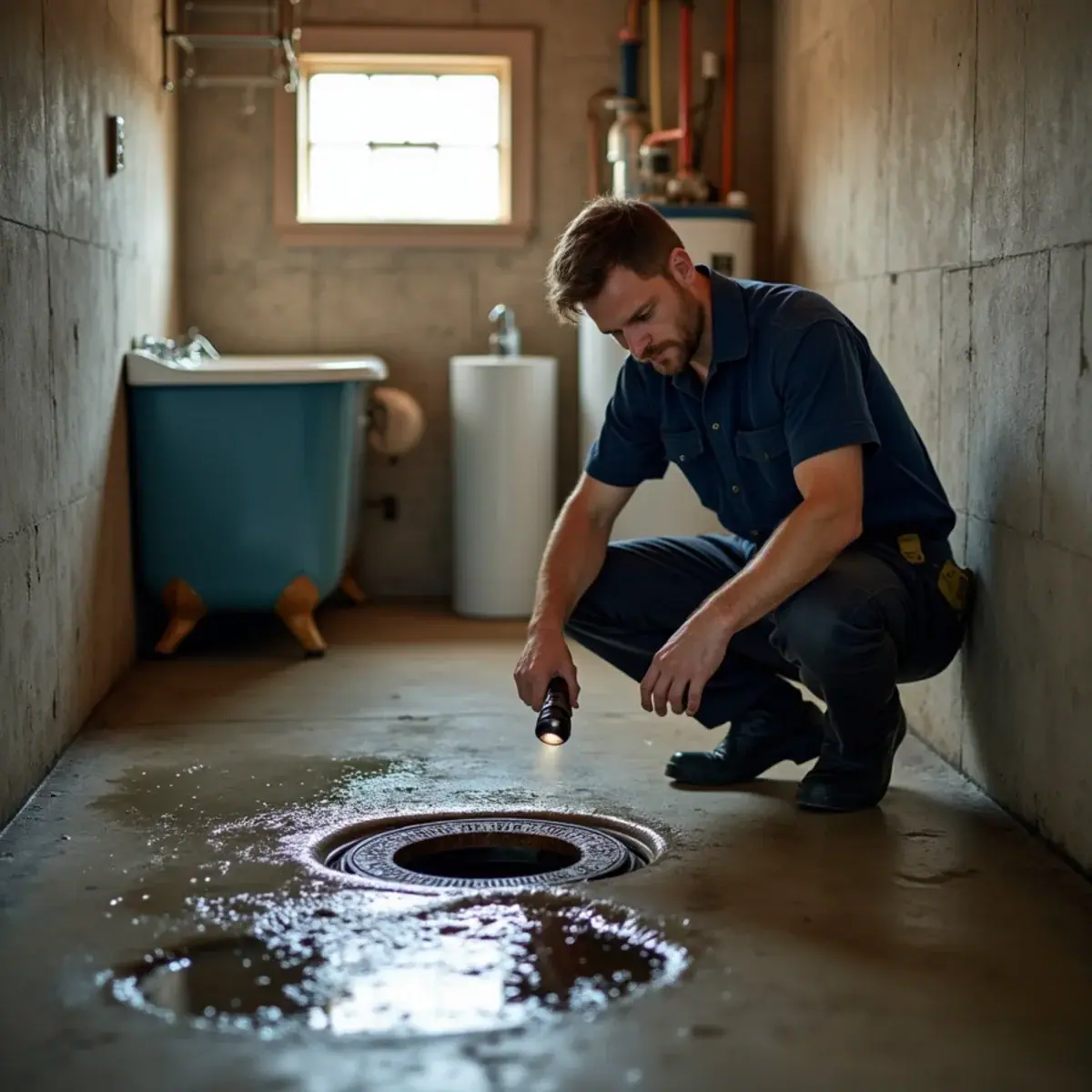
Watch one full cycle: how high the water gets before the pump starts, how long it runs, whether water leaves the discharge pipe outside, and how quickly the pit refills.
| What you see | Likely causes | First check |
|---|---|---|
| Pump runs, pit empties, refills within a minute or two | 1, 4 | Is it the day after heavy rain? Where do the downspouts and discharge line end? |
| Pump runs nonstop and the water level barely drops | 2, 5, 8 | Is water leaving the discharge pipe outside? |
| Pump shuts off, then water rushes back into the pit | 3 | Listen for backflow at the check valve |
| Pump hums but moves no water | 5, 7, 8 | Unplug, then look for debris or ice |
| Silence, and the pit is full | 6, 7 | Outlet, GFCI and breaker, then the float |
Unplug before you reach into the pit
Never put a hand in a sump pit while the pump is plugged in, and never stand in basement water to reach an outlet. If the floor is wet around the pump, shut off the circuit at the breaker panel first, from a dry spot.
Causes 1 to 5: the sump pump runs constantly
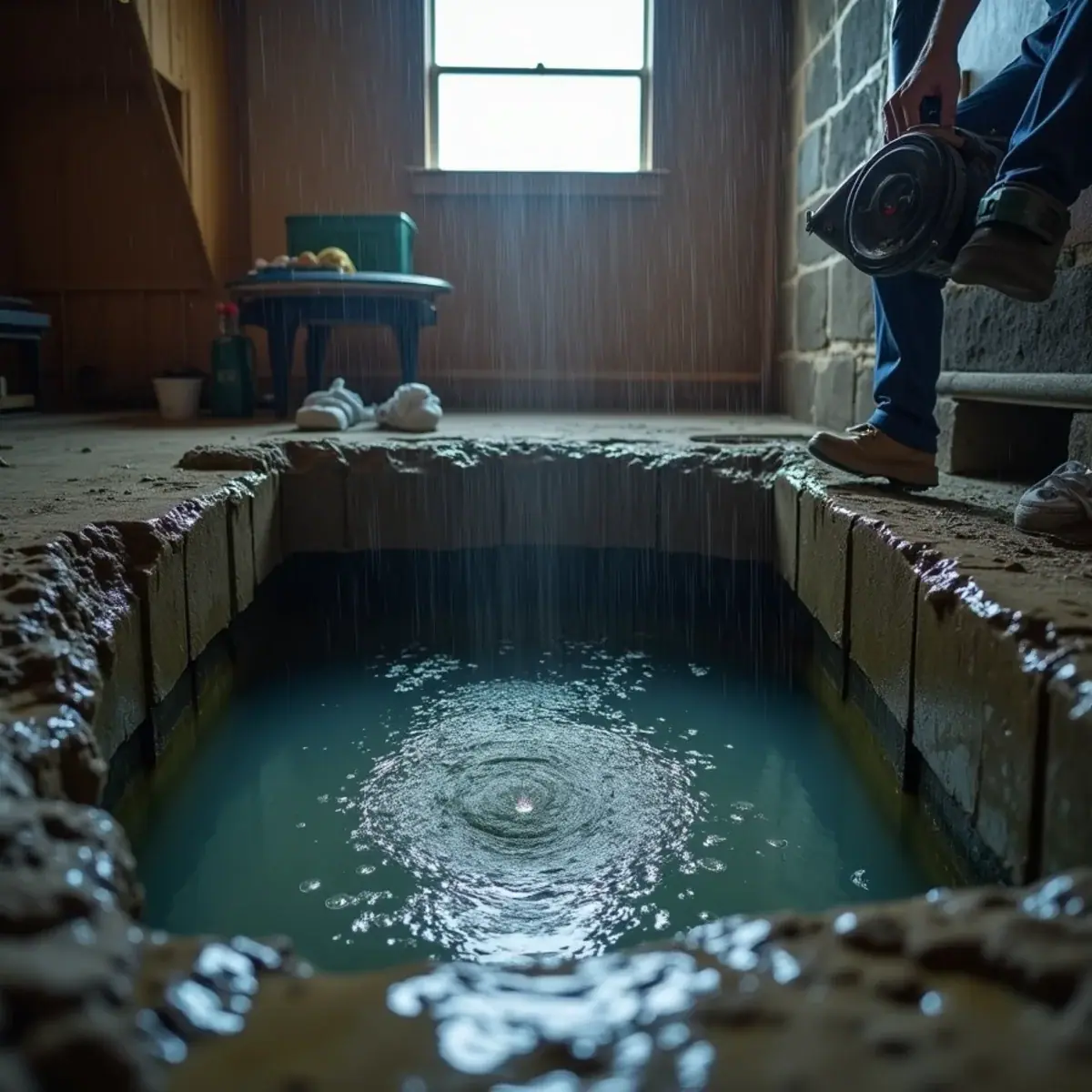
1. Heavy groundwater after a storm or thaw
After a heavy rain or a March snowmelt, the drain tile around a basement can feed the pit for days. A pump that empties the pit, rests and restarts is doing its job. The fix: nothing, if it keeps up. If it runs for hours without a break, see cause 5.
To tell groundwater from trouble, time the rest between cycles once a day; it should lengthen as the ground drains. If it has not after a dry week, check causes 3 and 4, then dip a pool chlorine test strip in the pit. Water from the DuPage Water Commission carries chlorine and groundwater does not, so a positive strip points to tap water reaching the pit, often a supply leak under the slab that a plumber can confirm at the water meter.
2. Float switch stuck in the on position
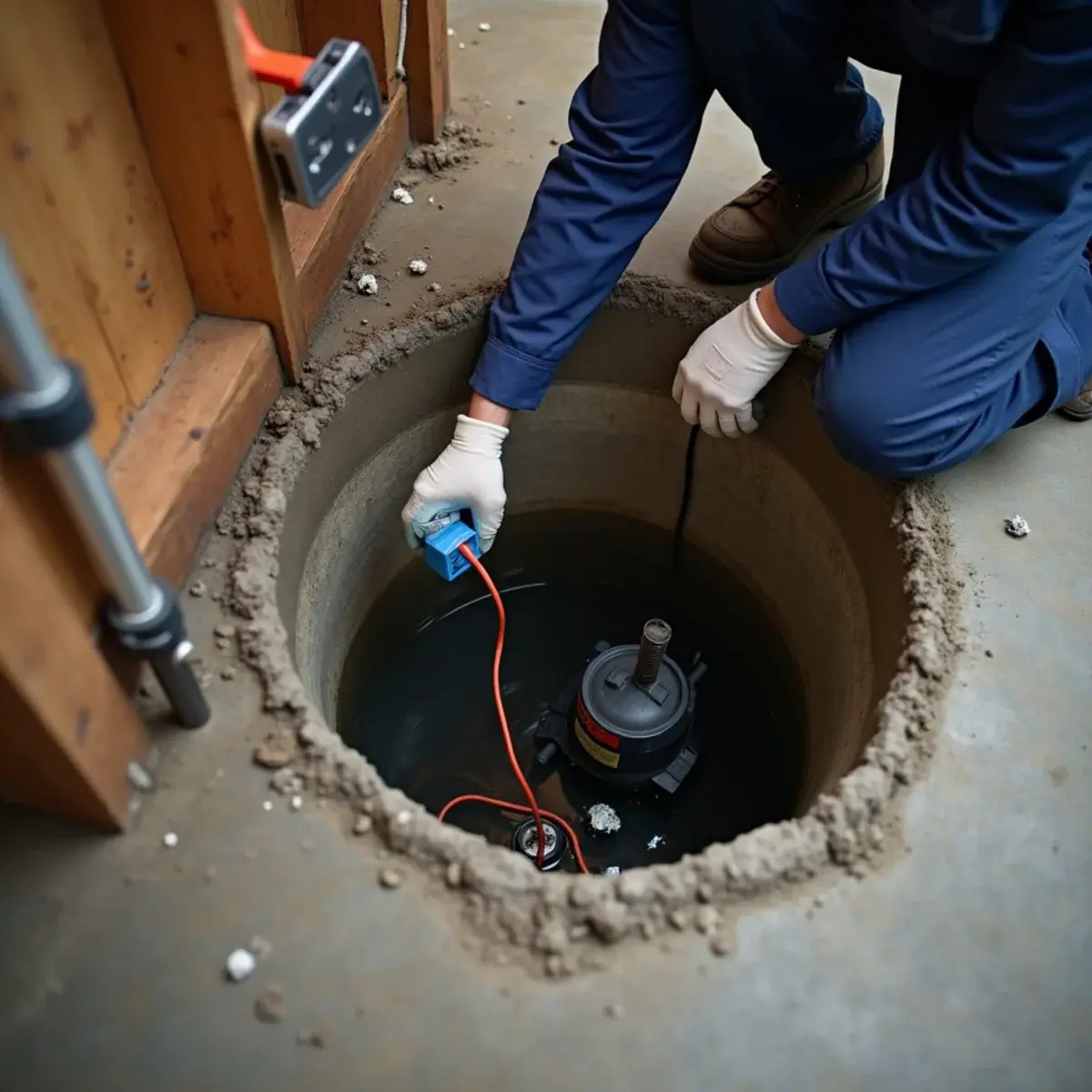
Tethered floats snag on the pit wall, the cord or the discharge pipe, and vertical floats jam on their rod when silt builds up. The pump runs long after the pit is dry, which burns out motors. The fix: unplug, free the float and clear the rod. A worn switch gets replaced. After a pump shifts or is replaced, check that the float can travel its full height without touching the wall or cord.
3. Failed or missing check valve
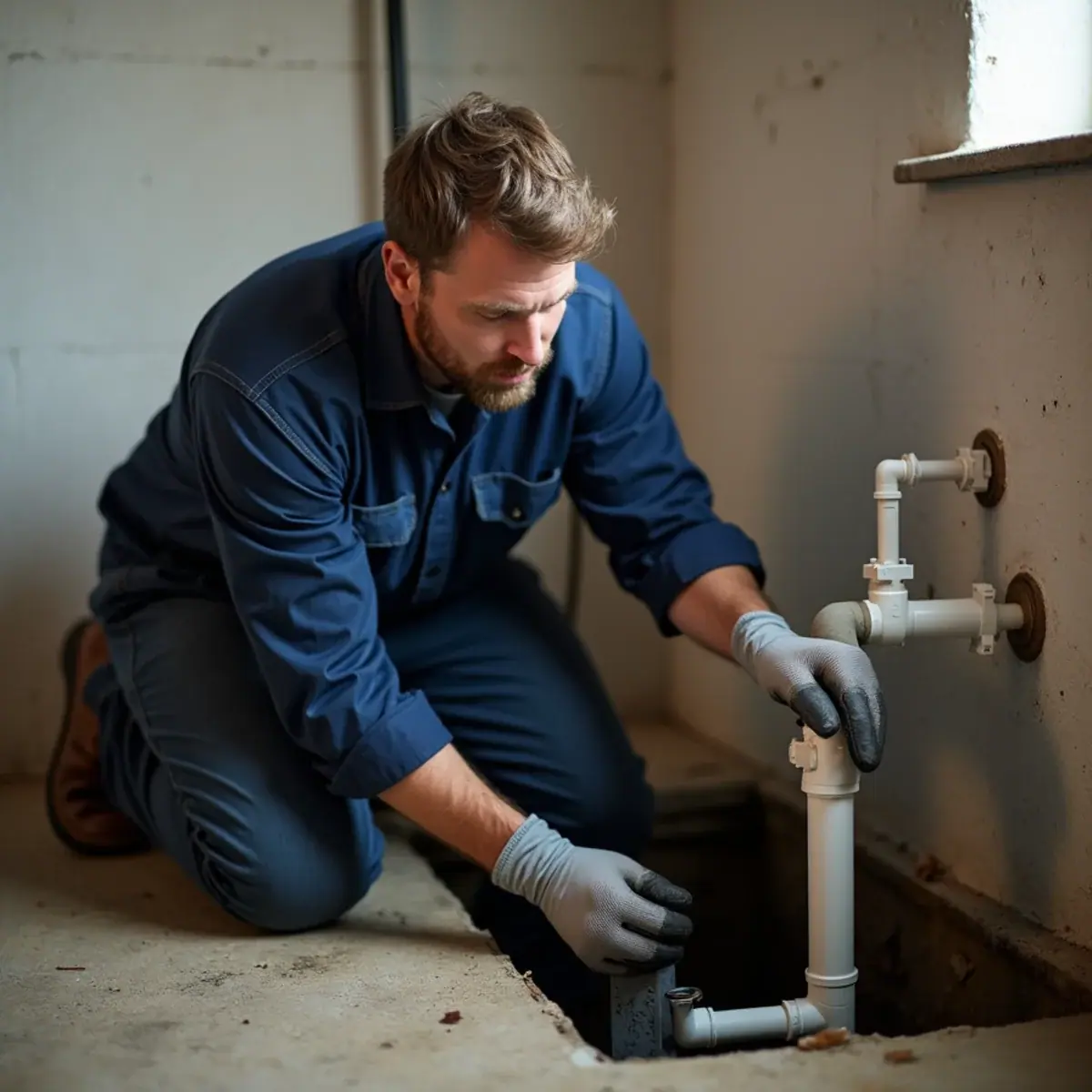
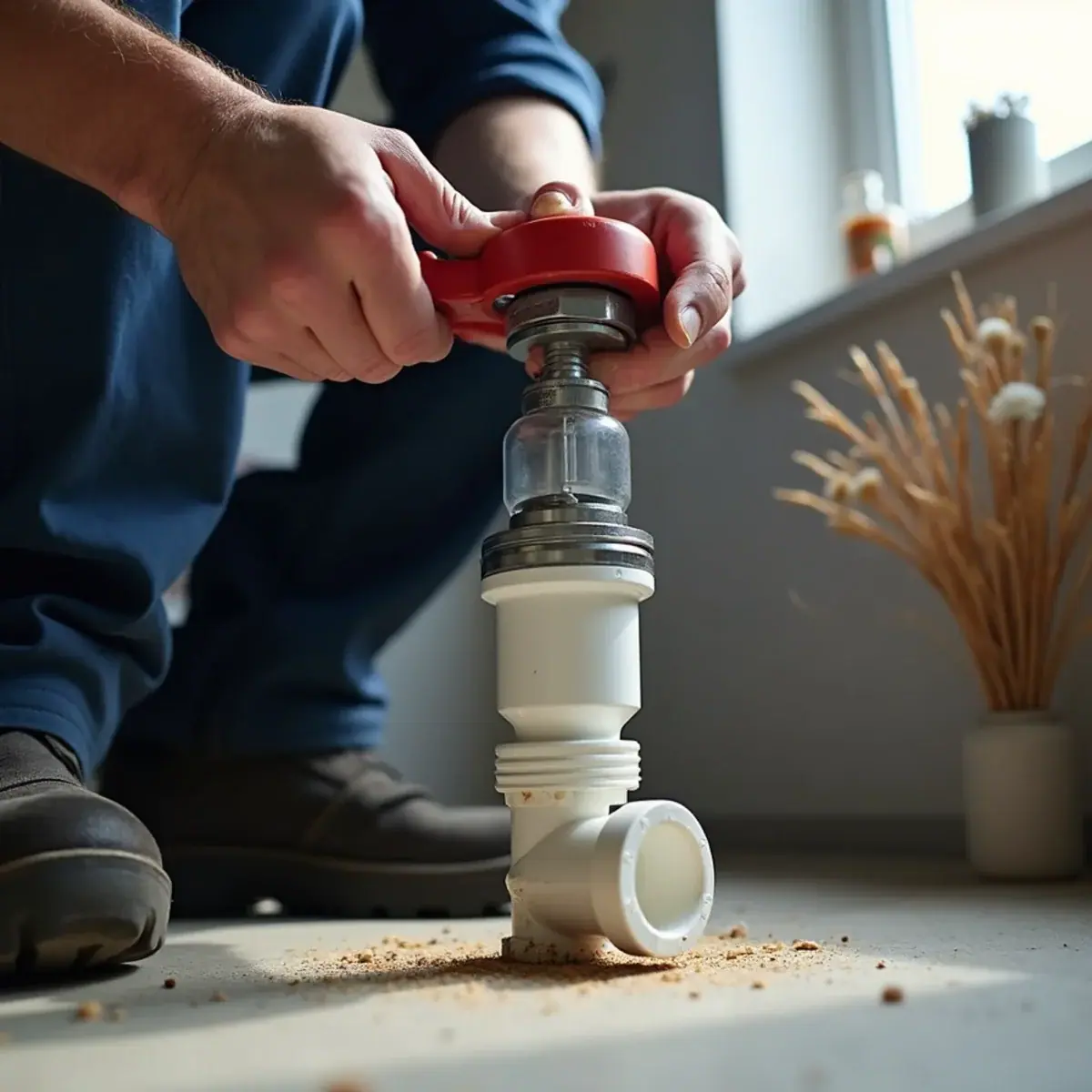
The check valve on the discharge pipe keeps the water in the vertical run from falling back into the pit. When the flapper sticks open, or no valve was installed, that water drops back every cycle and the pump moves it again and again. You often hear a rush of water right after shutoff. The fix: replace the valve, a small part that takes real strain off the motor.
Two installation mistakes look similar. A valve fitted with its flow arrow toward the pit blocks the discharge, and a pump with no small air-relief hole between it and the valve can trap air and hum without moving water; many pump makers call for that hole, so follow the instructions. The valve belongs above the pit lid, where it can be reached.
4. Discharge water cycling back to the foundation
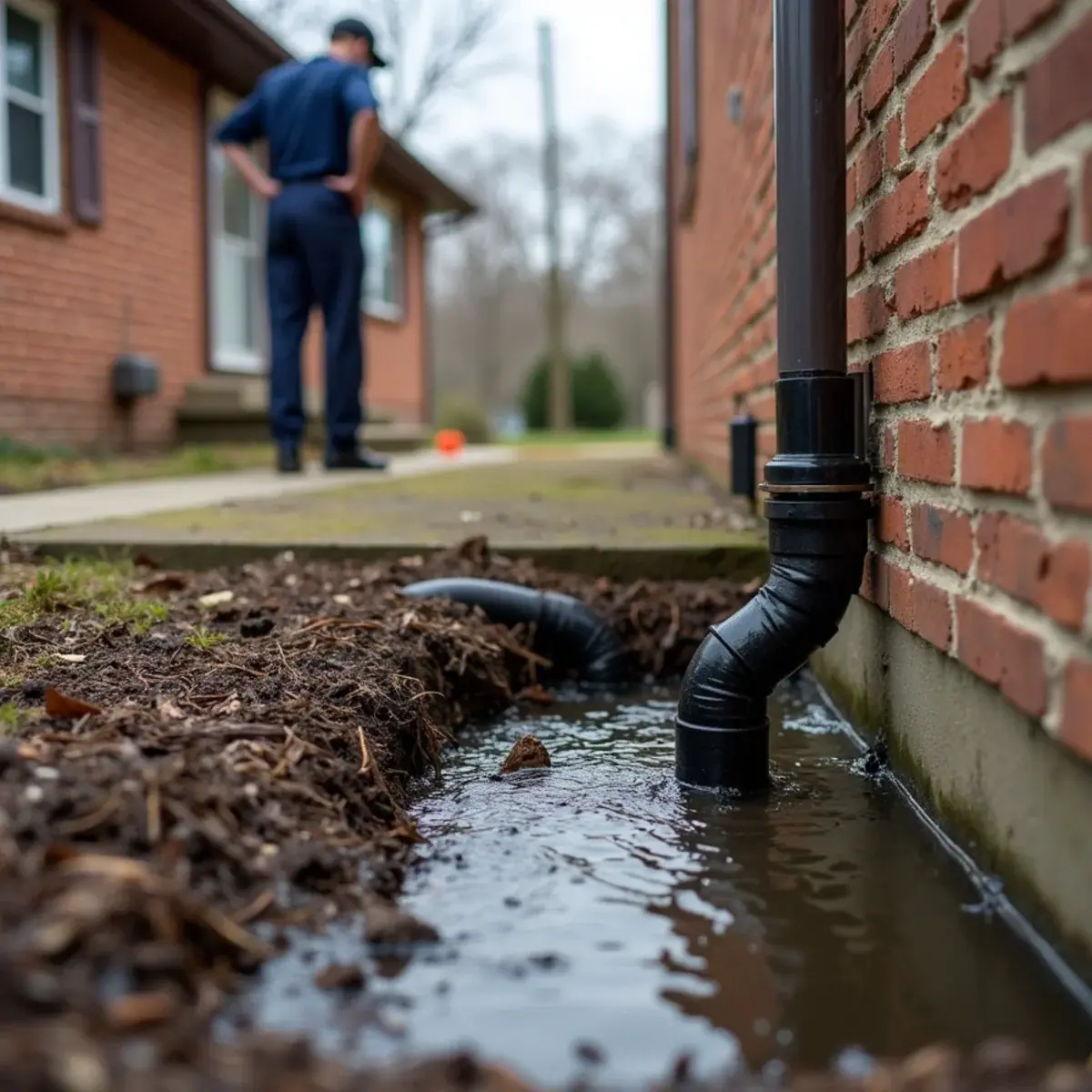
If the discharge line ends a foot from the house, or a downspout empties beside it, the water soaks back to the drain tile and returns to the pit within minutes. The fix: extend both well away from the foundation, onto ground that slopes away from the house.
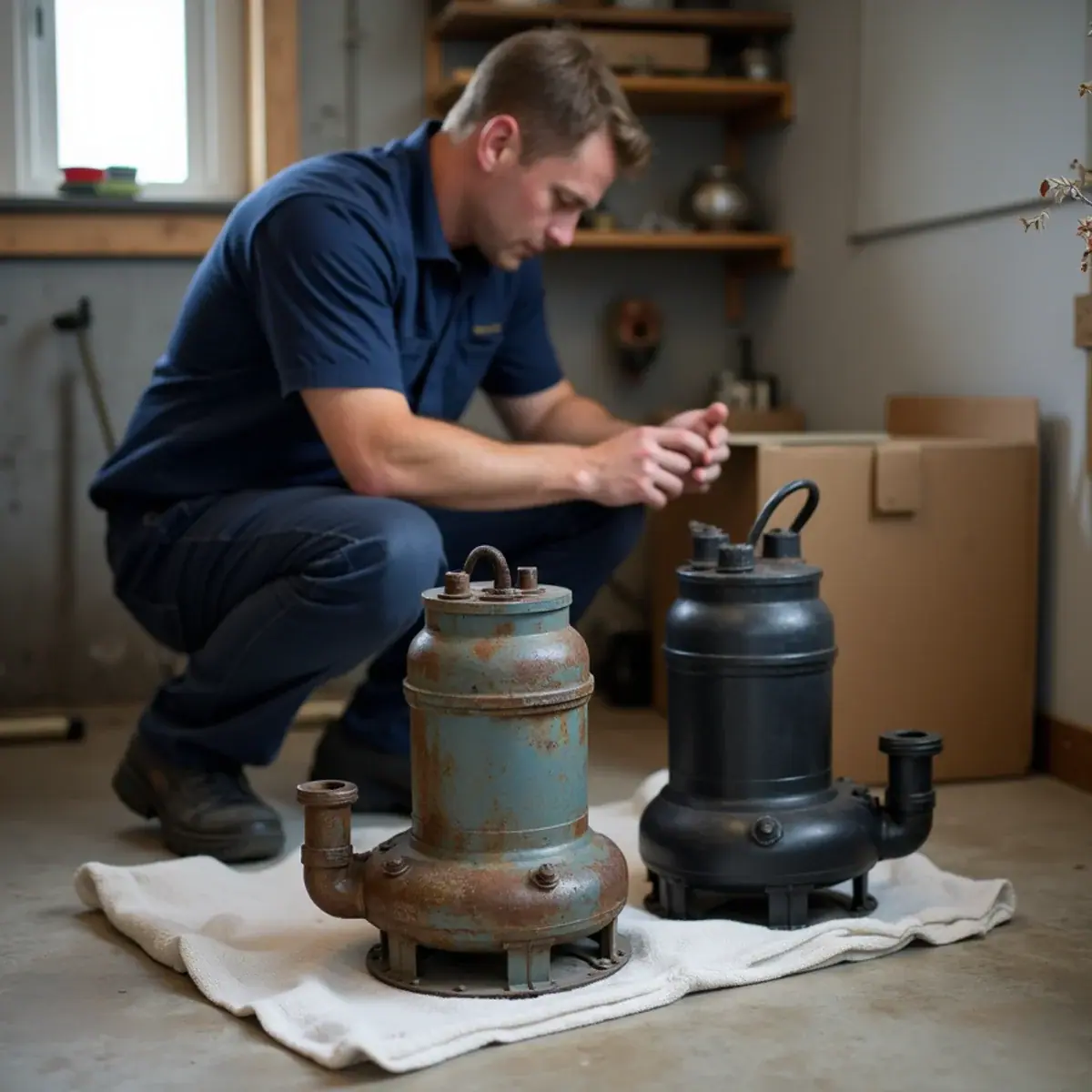
5. An undersized or worn-out pump
A hard-working pump loses capacity as the impeller wears and the motor weakens, running longer every season until it cannot keep up. An undersized pump behaves the same way in every big storm. The fix: replacement, sized to the pit, the lift to the outlet and the water your basement actually sees.
Capacity is not one number. A pump moves less water the higher it has to push it, so a model that keeps up under a short lift can fall behind where the discharge climbs a tall basement wall. The plumber measures the lift and the run before naming a size.
Causes 6 to 8: the sump pump will not run at all
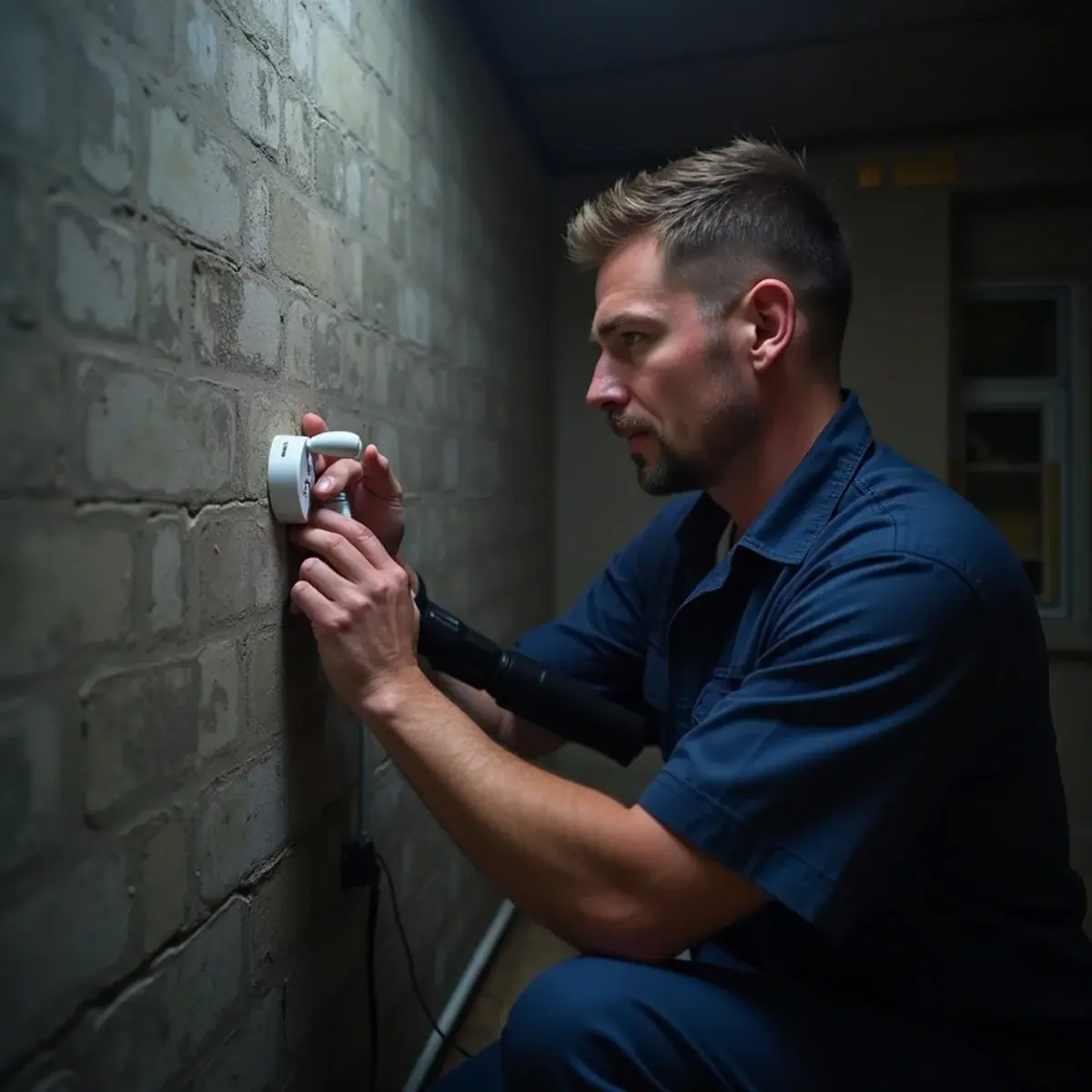
6. No power: tripped GFCI, breaker or a loose plug
The most common reason a pump goes silent, and the cheapest fix. A GFCI outlet in a damp basement can trip on its own, and a piggyback plug can work loose. The fix: from a dry floor, reset the GFCI and check the breaker. If it trips again as the pump starts, the pump or cord likely has a fault. If the GFCI keeps tripping, have an electrician find the fault rather than fitting an ordinary outlet, and add a battery-powered high-water alarm so a silent pump gets noticed.
7. Float jammed off, or debris in the pit
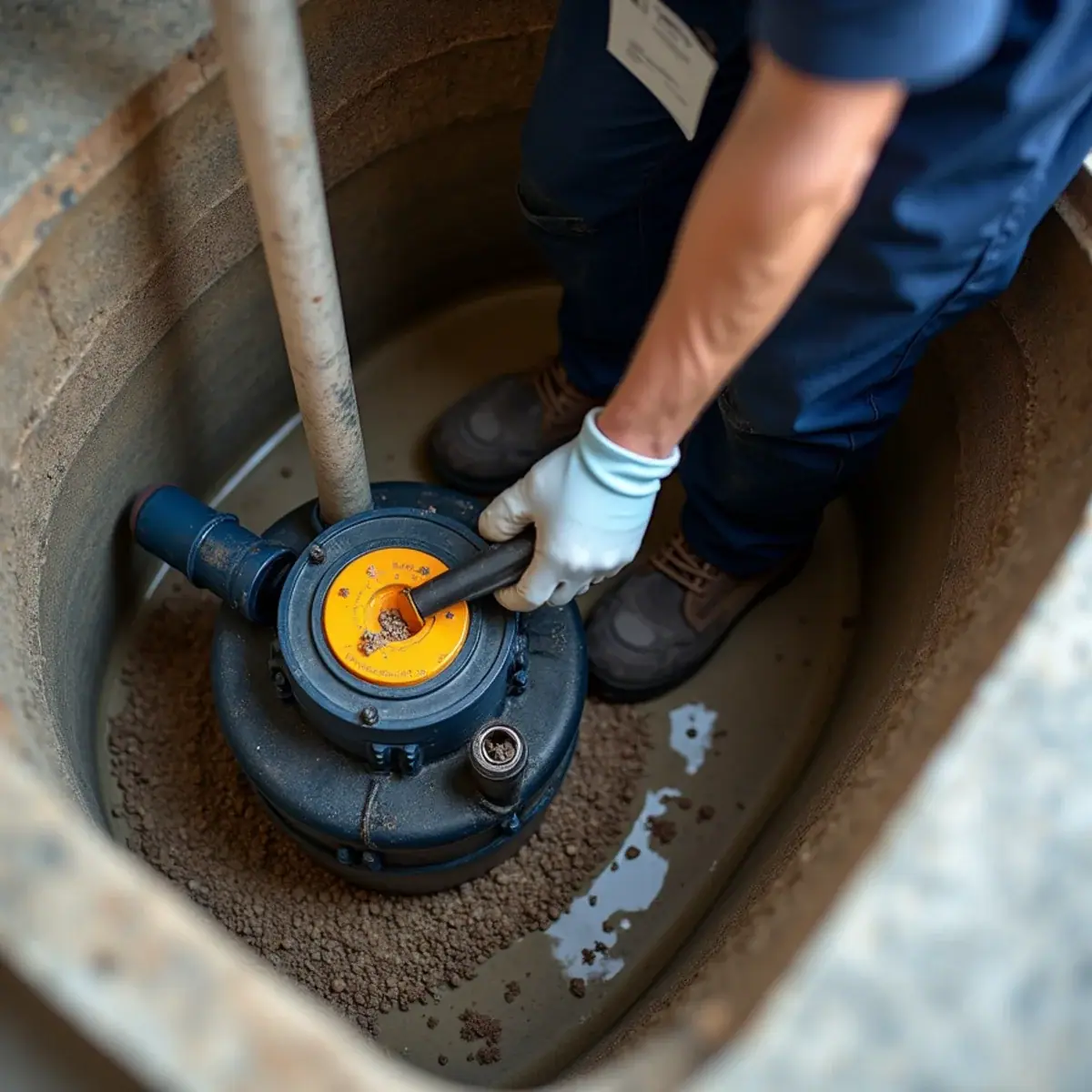
Gravel, silt or a fallen tool can block the float or clog the intake screen, and pumps sitting on the gravel bottom of an unlined pit pull debris in every cycle. The fix: unplug, clean the pit and intake, and set the pump on a solid, level base.
8. Frozen or blocked discharge line
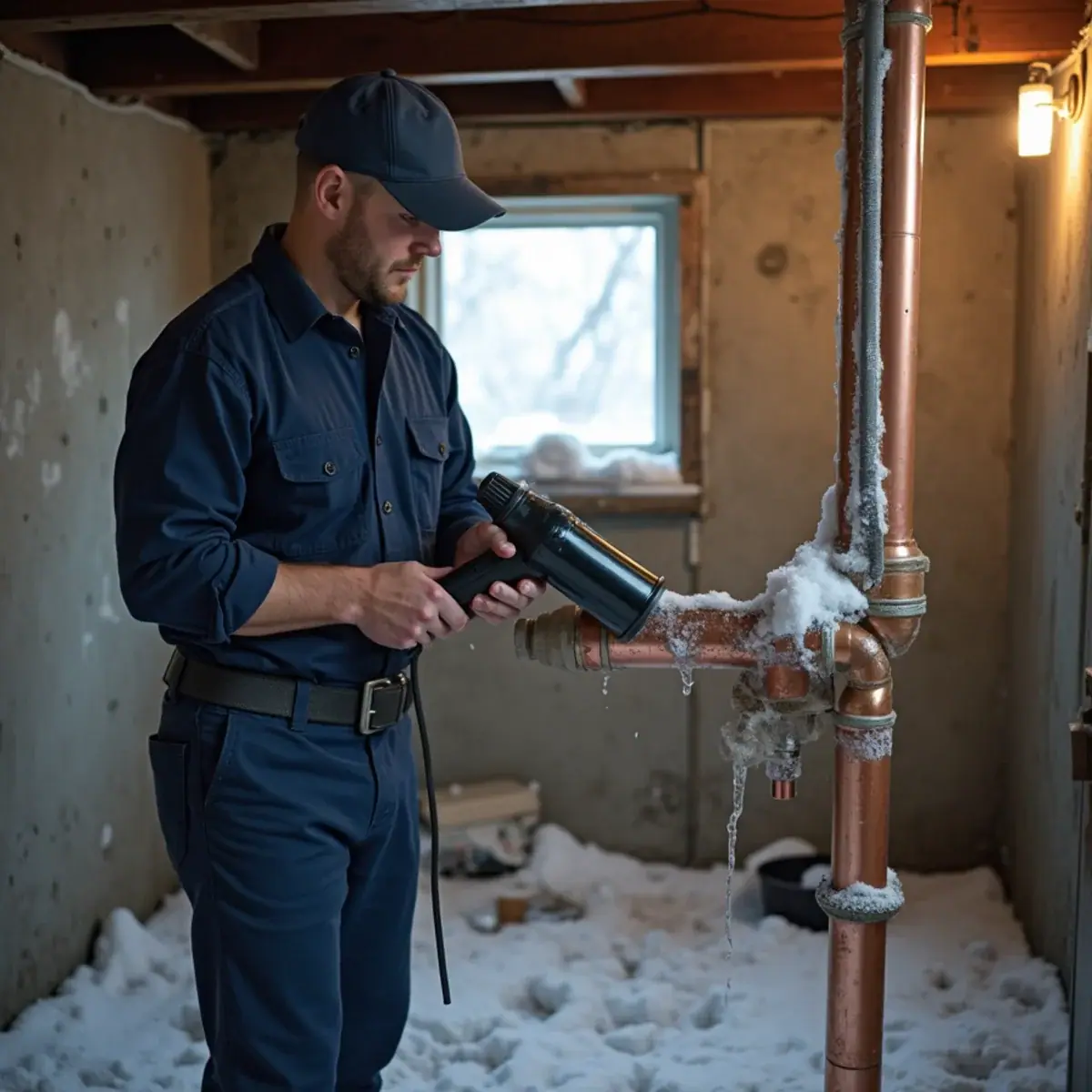
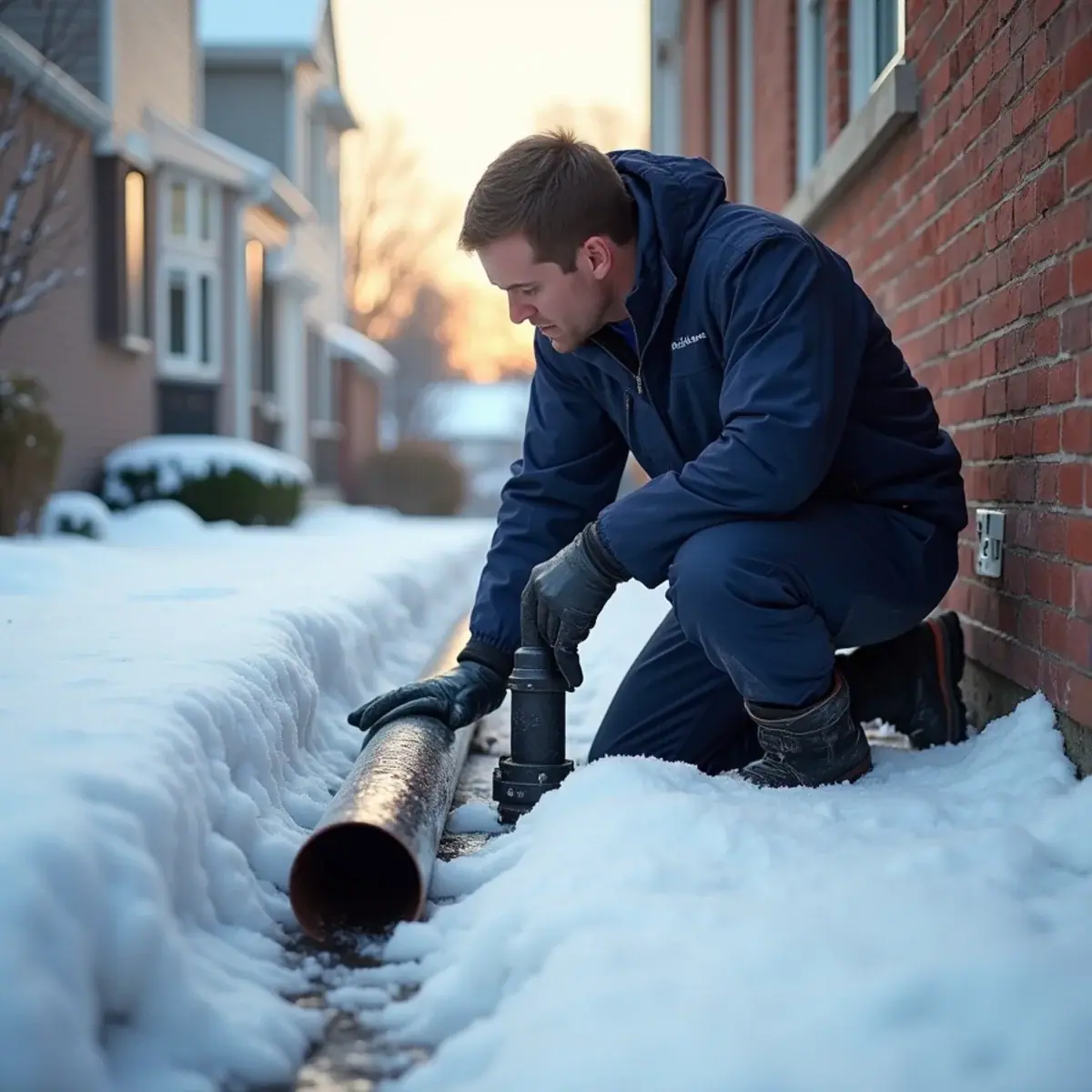
In a hard DuPage County winter, water sitting in a flat or buried discharge line freezes solid, and the pump runs against a closed pipe or overheats and trips its thermal cutoff. The fix: thaw the line, give it a steady slope, and add a freeze-relief fitting near the house. Our guide to thawing frozen pipes and preventing a burst covers the same cold-weather habits. If the pump runs, nothing leaves the pipe outdoors and the pit is near the top, treat it as an emergency plumbing call.
Repair or replace: how a plumber decides
A stuck float or a bad check valve on a younger pump is a repair. A pump that hums without moving water, trips the GFCI or has run nonstop through several storms is usually worn out, and many primary pumps last roughly seven to ten years. The plumber checks the pump's age, switch type and pit before recommending anything, and quotes the price on site before starting.
Storms and power outages arrive together, so this is also the moment to consider a battery backup. Our sump pump repair and replacement service covers primary pumps, battery backups and ejector pumps for basement bathrooms. If a failed pump has already let water in, see how insurance treats sump overflow in Illinois; it usually turns on a water backup endorsement.
Why sump pumps in Addison and Villa Park work so hard
Salt Creek and Sugar Creek wind through this part of DuPage County, and the low ground near them holds water long after a storm passes. Homes in Addison near Salt Creek were mostly built from the 1960s to the 1990s, so many are on their second or third sump pump, and some pumps there barely rest in a wet spring. Villa Park's post-war ranches and split-levels on the same clay soil see the same pattern.
Where the water goes matters as much as the pump. Villa Park prohibits connecting sump pumps and downspouts to the sanitary or combined sewer, and the village's Home Flood Prevention Reimbursement Program includes a tier for disconnecting sump discharges and downspouts from the sanitary line (check current terms, and apply for eligibility before starting work).
A sump pump only handles groundwater. It will not stop sewage from coming up a floor drain when the village sewer surcharges; that takes an overhead sewer or a backwater valve, explained on our basement flood control page. For a full pre-season routine, see the spring storm basement checklist.
Questions we hear about this
Is it normal for a sump pump to run when it hasn't rained?
It can be. Groundwater keeps draining to the pit for days after a storm or snowmelt, especially in spring. If the pump runs every few minutes during a dry week in August, suspect a failed check valve, discharge water cycling back to the foundation, or a leaking water line under the slab.
Can I unplug a sump pump that won't stop running?
Only briefly, and only if the pit is nearly empty. Unplug it to free a stuck float or clear debris, then plug it back in and watch a full cycle. Leaving it off during wet weather risks a flooded basement, so if it keeps running with a dry pit, call for a repair rather than leaving it unplugged.
How long should a sump pump run each cycle?
A healthy pump in a typical residential pit usually empties it in well under a minute. Much longer cycles suggest a worn pump, a partly blocked discharge line or a failed check valve. Cycles of a few seconds on and off often mean the float is set wrong or the pit is too small.
Should a sump pump run in the winter?
Sometimes. In a DuPage County winter many pits sit nearly dry, but a thaw or rain on frozen ground can send water to the drain tile and start the pump in January. Short runs after a thaw are normal. A pump running nonstop in a deep freeze is not: suspect a frozen discharge line it cannot push through, or tap water leaking into the pit, and have it checked before the line or the motor fails.