Villa Park's Home Flood Prevention Reimbursement Program pays part of the cost of work that keeps sewer water out of your basement. It has three tiers, each reimbursing 50% of the lowest qualified estimate plus the permit cost: overhead sewers up to $5,000, backflow valves or sewer lateral replacement up to $3,500 per application, and storm water disconnections up to $1,500. Check current terms on the village page, since figures and rules can change.
The most important rule: apply for eligibility before starting work. Here is what each tier covers, the order to do things in, and what to confirm with Villa Park Public Works along the way.
Why Villa Park runs this program
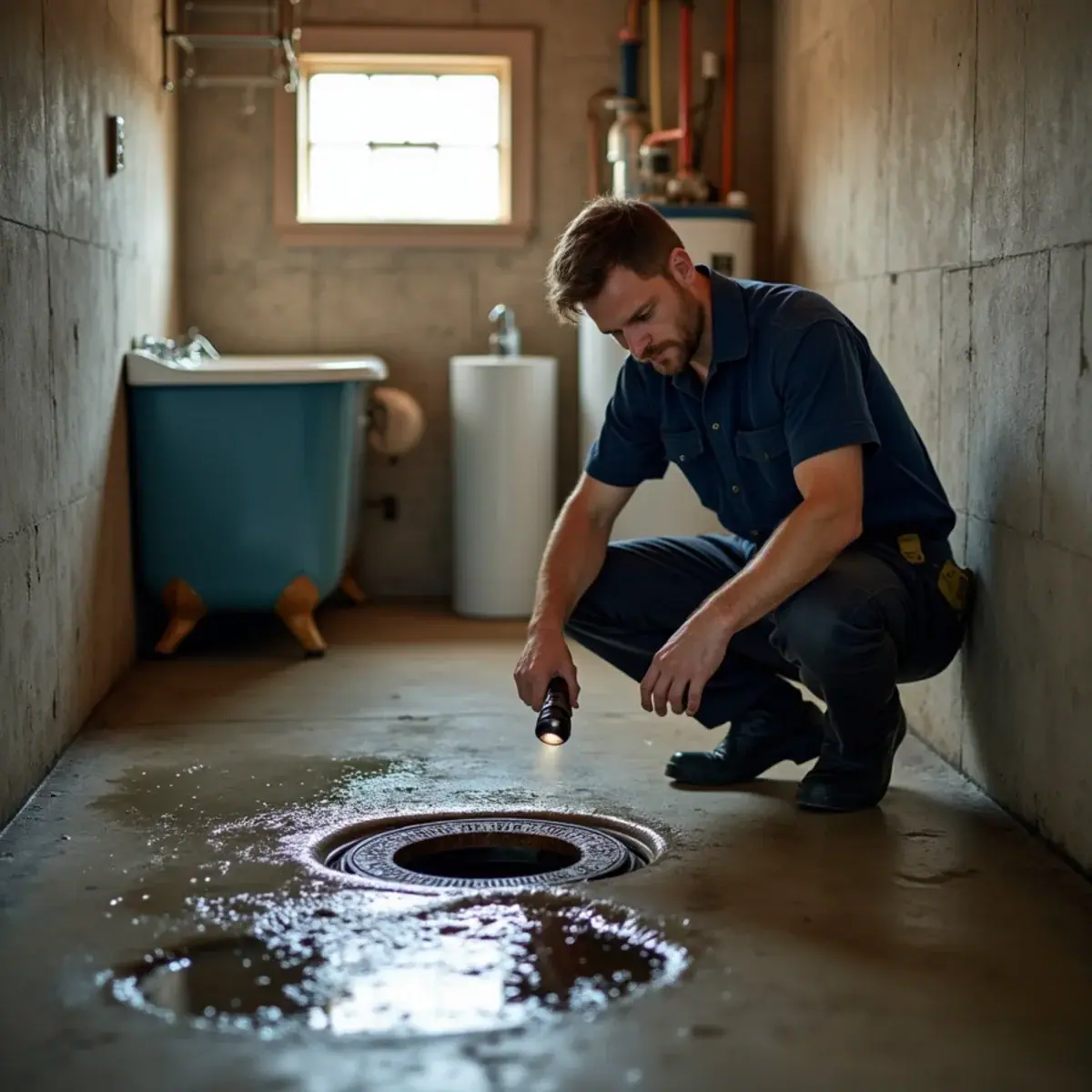
Parts of the village still sit on combined sewers, and even separated areas take on storm water through old connections. In a heavy storm, the sanitary mains fill and push sewage back up through basement floor drains. With a median build year of 1958, nearly every house here has a basement fixture below the level of the street sewer.
The program helps homeowners protect their own basements and, at the same time, cuts the storm water and groundwater that leak into the sanitary system through broken laterals, downspouts and sump connections. Connecting sump pumps or downspouts to the sanitary sewer is prohibited in Villa Park.
What the program pays for: the three tiers
| Project type | What it includes | Reimbursement |
|---|---|---|
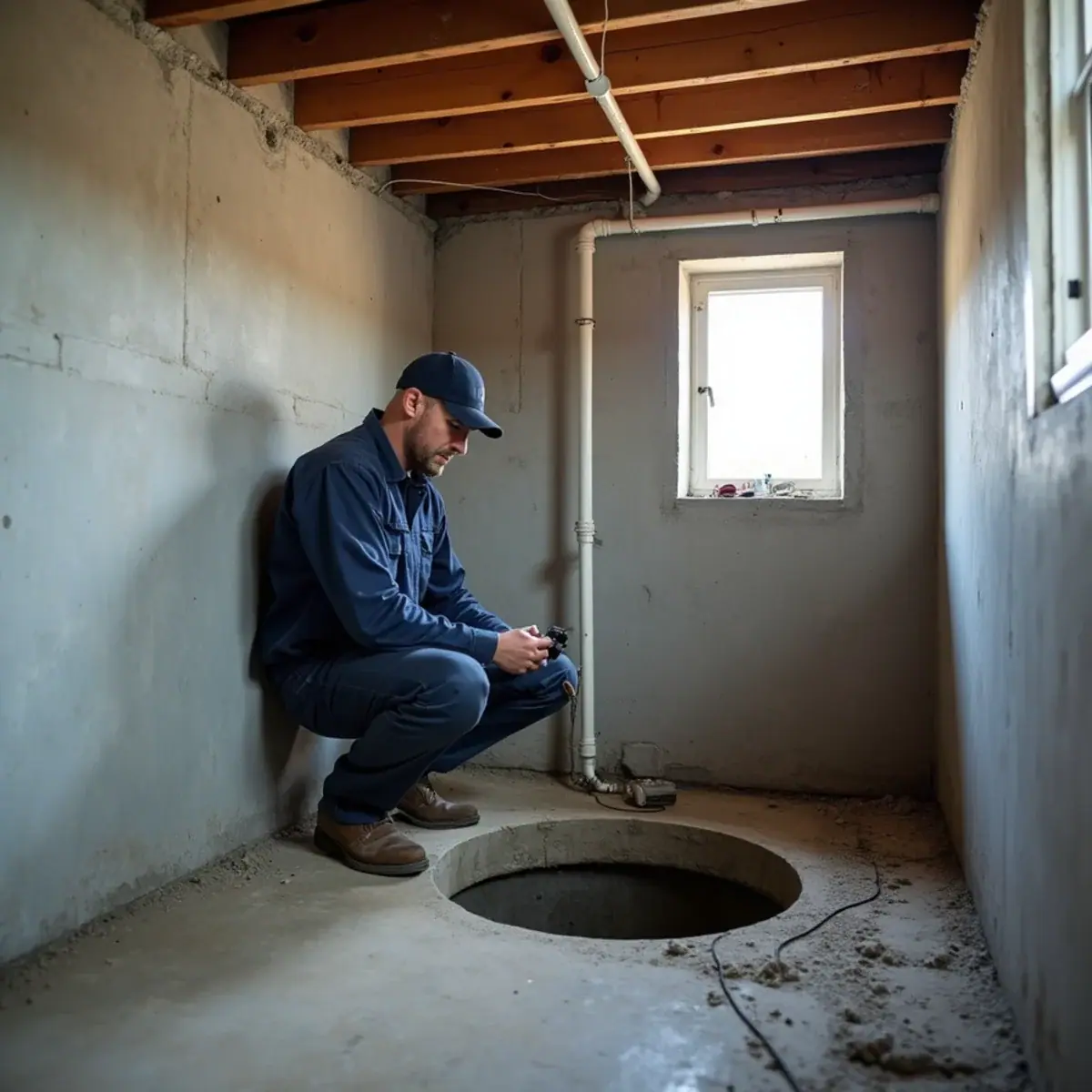
| Overhead sewer | Rerouting the plumbing so no sewer runs beneath the basement floor; basement drains go to an ejector pit and are pumped up to an overhead line | 50% of the lowest qualified estimate up to $5,000, plus permit; $5,000 lifetime per owner |
| Building sewer upgrade or repair | A backflow prevention valve and/or sanitary sewer lateral replacement; the policy also lists cured-in-place lining of the lateral | 50% up to $3,500 per application, plus permit; $5,000 lifetime |
| Inflow and infiltration removal | Disconnecting downspouts, exterior stairwell drains, sump discharges and footing drains from the sanitary sewer | 50% up to $1,500, plus permit; $1,500 lifetime per residence |
The village describes the overhead sewer as its most recommended option, because it gives the strongest defense against sewer backup. Our comparison of overhead sewers and backwater valves explains why. Check which items qualify for your house before you commit to a scope.
What to know before you count on the money
- Reimbursement is not automatic. The village decides eligibility and approves the scope, and published eligibility criteria are limited, so confirm with Villa Park Public Works.
- The payment is based on the lowest qualified estimate, not necessarily the contractor you choose.
- The overhead and building sewer caps are lifetime amounts per owner of the building sewer, and the disconnection cap is a lifetime amount per residence, so a second project later may not be covered.
- Figures and rules can change. Check current terms on the official page before you sign anything.
What the policy excludes or requires first
- Routine maintenance is out. Rodding, root cutting and drain cleaning are not reimbursed, so sewer rodding stays at your cost even when it comes before a covered repair.
- Private yard restoration is out. Sod, seed and fertilizer on your side are excluded. On building sewer work, the village restores the parkway itself, including the public sidewalk, curb and driveway approach.
- Clear water must come out first. Whatever the project, all sump pumps, downspouts and yard drains must be disconnected from the sewer, and the village verifies it before paying.
- A second repair has a catch. If Public Works gets a second repair request from the same address, the owner must replace all remaining portions of the building sewer.
- The paperwork must be signed. Work done without a Participation Agreement fully executed by you and the village is not eligible.
Do not start work first
The village asks homeowners to submit its online Request for Eligibility Determination before work begins. Work started before you hear back may not qualify.
How to apply, step by step
The village's program page and policy document are the final word on procedure. This is a sensible order to work in, with the points to confirm at each step.
- Read the current program page and policy. Note the tiers, the caps, the exclusions and any documents the village lists. The policy in force when this was written took effect June 1, 2023.
- Contact Public Works before calling a contractor. Submit the Request for Eligibility Determination through the village's online application. A Public Works representative checks whether the problem is in the village main or in your service line, and whether the project is eligible.
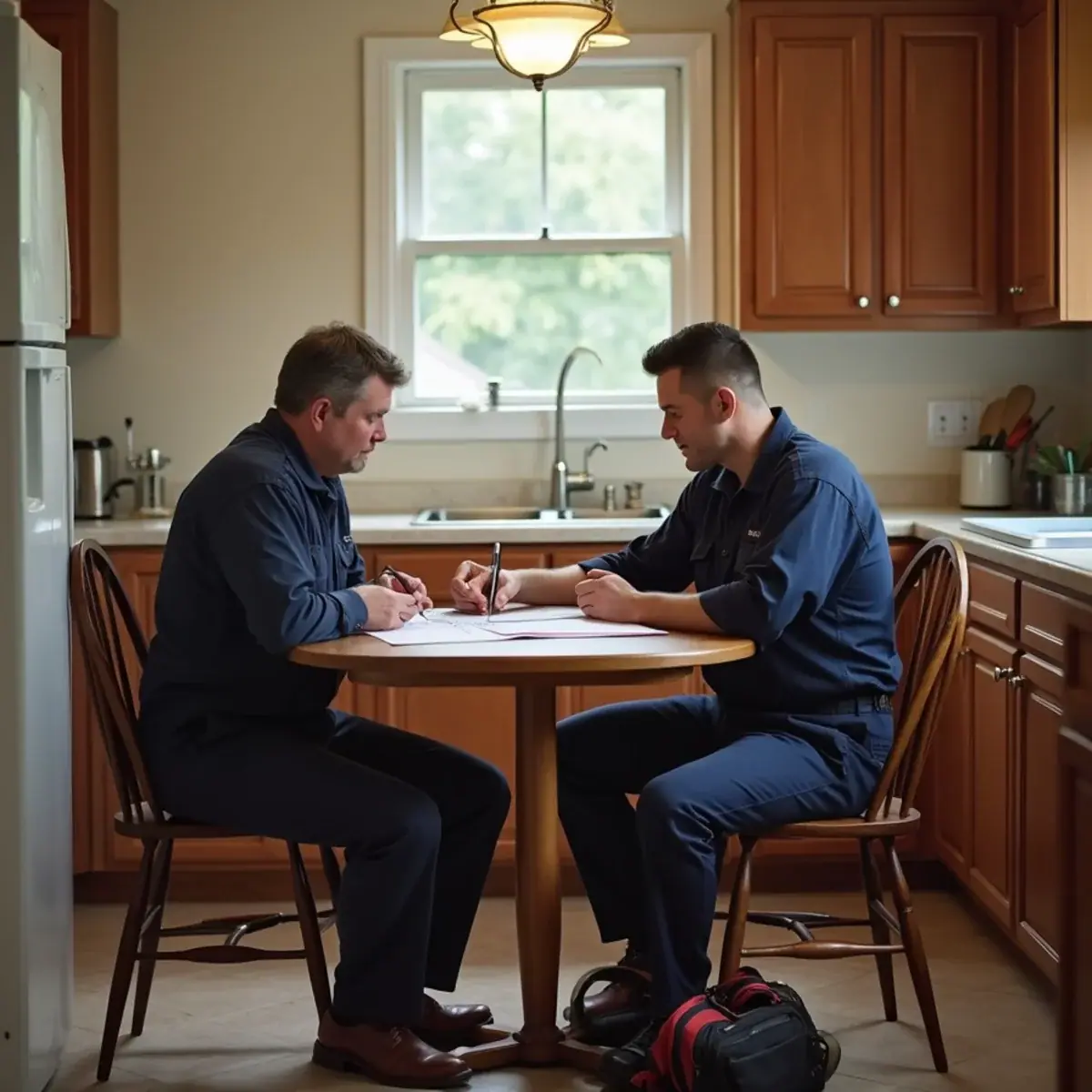
- Have a plumber assess the house and write estimates. A licensed plumber looks at where your basement drains, floor drain and sump discharge go, and whether a camera inspection of the lateral is needed. The policy requires at least two estimates, and the payment is based on the lowest qualified one; our guide to what affects plumber costs in Villa Park helps you compare them line by line.
- Submit the application packet. At a minimum: the application form, the plumbing permit form and fee, the two estimates, a site plan showing the proposed work, and the signed Participation Agreement.
- Wait for permit approval. Village staff contact the contractor about the permit and notify you. Work begins only after that approval; the permit cost is part of what the program reimburses.
- Do the work and pass inspection. The contractor or you request each required inspection. Keep the permit, the inspection approvals and the paid invoice together.
- Submit for reimbursement. Once every inspection is approved, file the village's Request for Reimbursement Form with proof of the paid invoice, within 90 days of finishing the work.
Which project fits your house
If your floor drain takes sewer water during storms, an overhead sewer is usually the lasting fix. A plumber can explain what basement flood control involves in your specific basement, from where the ejector pit goes to how the laundry and any basement bathroom are rerouted.
If the backups happen in dry weather, or a camera shows roots and broken joints in an old clay tile lateral, the second tier may be the one to look at. That is sewer line repair, and fixing the lateral also stops groundwater from leaking into the sanitary sewer. Many houses need both, so ask how the lifetime caps apply before splitting the work. Our guide to tree roots in clay sewer lines explains how a plumber decides between rodding, lining and replacing.
If downspouts, a stairwell drain or the sump pump still empty into the sanitary line, disconnecting them is usually the simplest step. It takes load off the sewer during storms, and it brings the house in line with the village rule against storm water in the sanitary sewer.
Programs in Lombard and Elmhurst
Neighboring towns run their own programs with different terms. Lombard's Overhead Sewer Grant Program has helped nearly 400 residents and pays 75% up to $5,000; if you live there, see our notes on flood control in Lombard. Elmhurst's cost-sharing programs cover overhead sewers at 50% up to $5,000 and check valves at 50% up to $3,000; see plumbing in Elmhurst. Check current terms with each village, and do not assume Villa Park's rules apply elsewhere. Within Villa Park, the separate lead service line cost-share has its own rules and application.
Working with the plumber on estimates and paperwork
When you call (858) 363-8298, tell us you are applying to the village program. The plumber can write an estimate that separates the overhead sewer, the backflow valve, lateral work and disconnections, so each item lines up with a tier. The plumber gives the price before any work starts. The policy requires corrective work by bonded and licensed contractors, so ask every contractor you compare for proof of both.
Every plumber we send is licensed and insured in Illinois. We cannot promise the village will approve an application, but a clear, itemized estimate and a permit pulled before work begins make the process easier to follow. If you are still cleaning up from a recent backup, start with what to do in the first 30 minutes.
Questions we hear about this
Can I apply after the work is done?
Plan on no. The village asks homeowners to submit the Request for Eligibility Determination before starting work, and projects already underway may not qualify. The policy has one emergency exception: when the house is completely without sewer service, a single estimate is allowed, but only if a Public Works employee verifies the problem before work starts. Without that verification, the policy says the application will be denied.
Does the program cover a sump pump?
The program is aimed at keeping sewer water out and storm water out of the sanitary sewer. Disconnecting a sump discharge from the sanitary line falls under the inflow and infiltration tier. A new sump pump on its own is not listed as a tier, but the policy counts one as eligible inside an overhead conversion, or when disconnecting footing or stairwell drains requires a new sump system. Check which items qualify with Public Works before you plan on reimbursement.
How many estimates does Villa Park require for the reimbursement?
At least two, and the village recommends getting more so you know the price is fair. The payment is figured from the lowest qualified estimate, so ask each plumber to itemize the same scope. Estimates go into the application packet, so get them after Public Works confirms the project is eligible and before any work starts.
How long does Villa Park take to pay the reimbursement?
Under the current policy, you have 90 days after the work is finished to file the Request for Reimbursement Form, and only once every inspection is approved. Staff then review the paperwork and inspections, and the policy says payment is typically mailed two to three weeks later. Missing documents hold up the review, so check current terms and keep everything together.